ShoDaddy

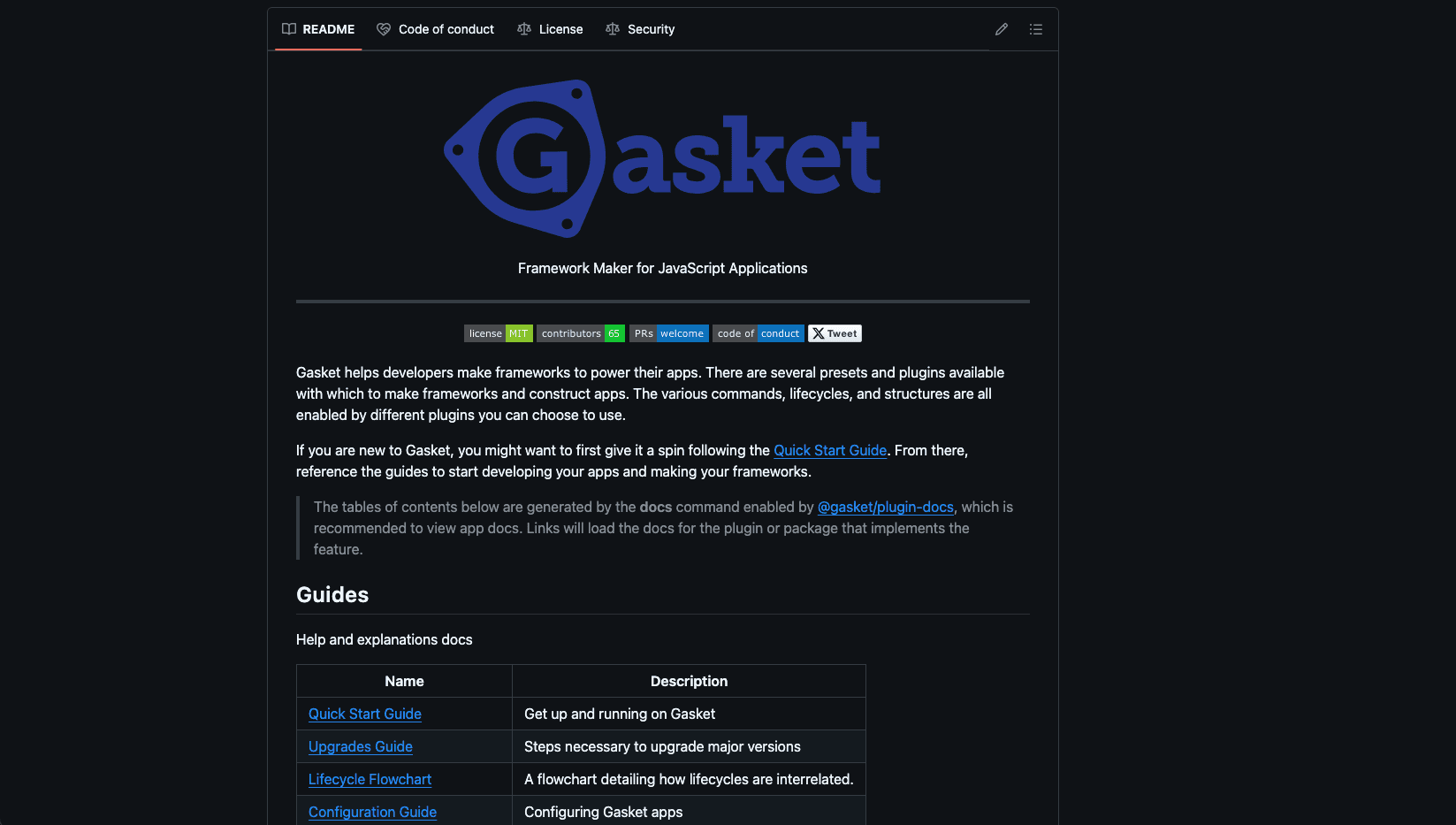
GoDaddy Gasket Framework Maker Headless CMS

A demo landing page to preview Contentful CMS content updates in real time on the web, and familiarize team with CMS dashboards, components, processes and workflows.

PROJECT OVERVIEW

Sho-Daddy is a headless CMS sandbox project built for GoDaddy’s Marketing Operations (MOps) team. Its purpose was to give team members hands-on experience with Contentful CMS before the developer team had completed the official preview environment. The project served as a temporary live training tool, connecting Contentful to a Next.js front end using GoDaddy’s internal Gasket framework.


THE CHALLENGE

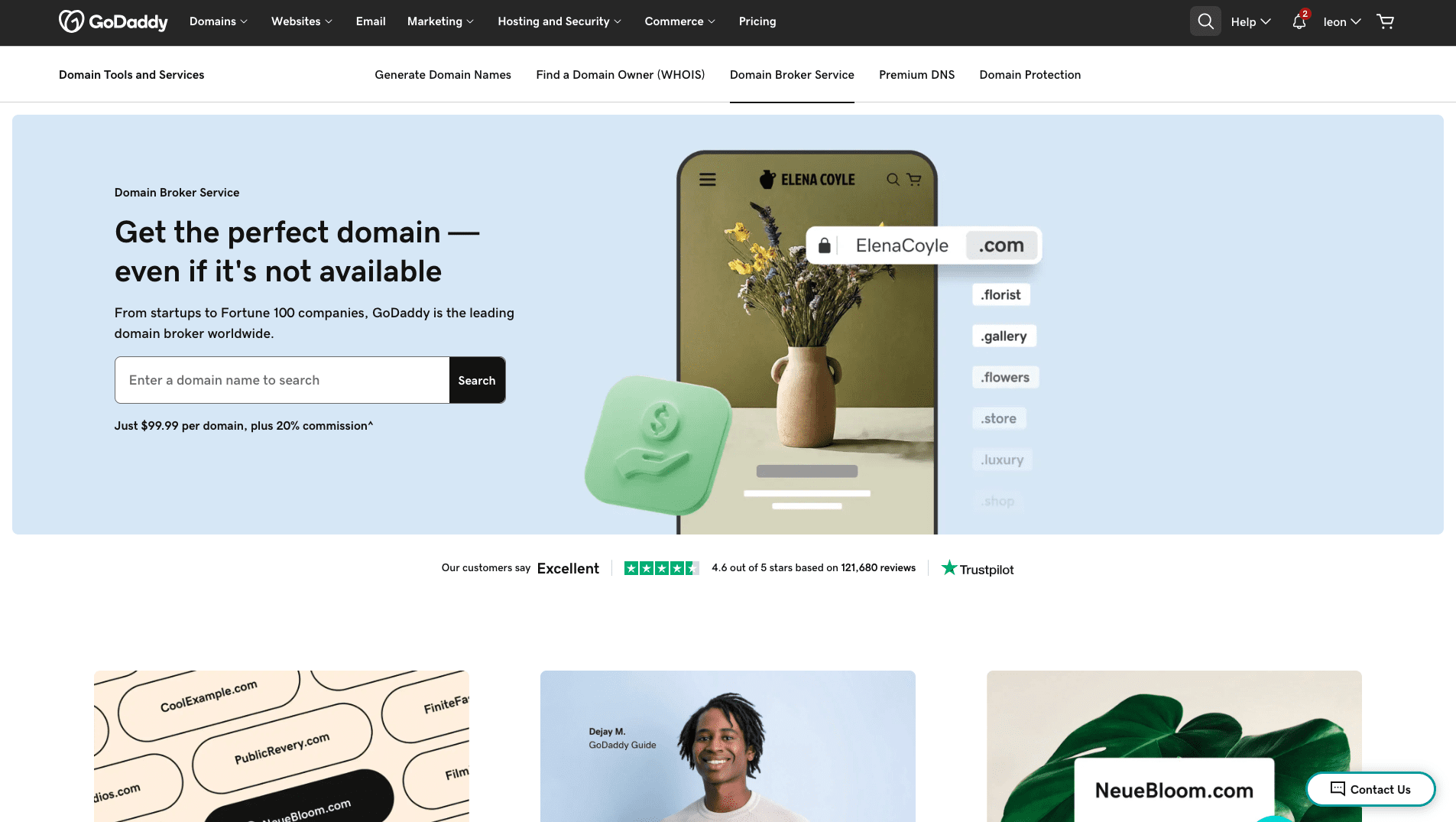
At the time, GoDaddy was beginning to adopt Contentful CMS across several teams. While MOps received training and gained access to the CMS, we had no way to view live page updates because the preview environment wasn’t ready. This created a gap between training and real-world usage, limiting learning and experimentation.

THE OPPORTUNITY

I saw this gap as an opportunity to engineer a simple, live preview system our team could use while training. With my ongoing involvement in Sitecore work and connections to the FBI (front-end) team, I began exploring how to quickly build a working Contentful integration using GoDaddy’s stack - specifically Gasket and Next.js.

MY ROLE

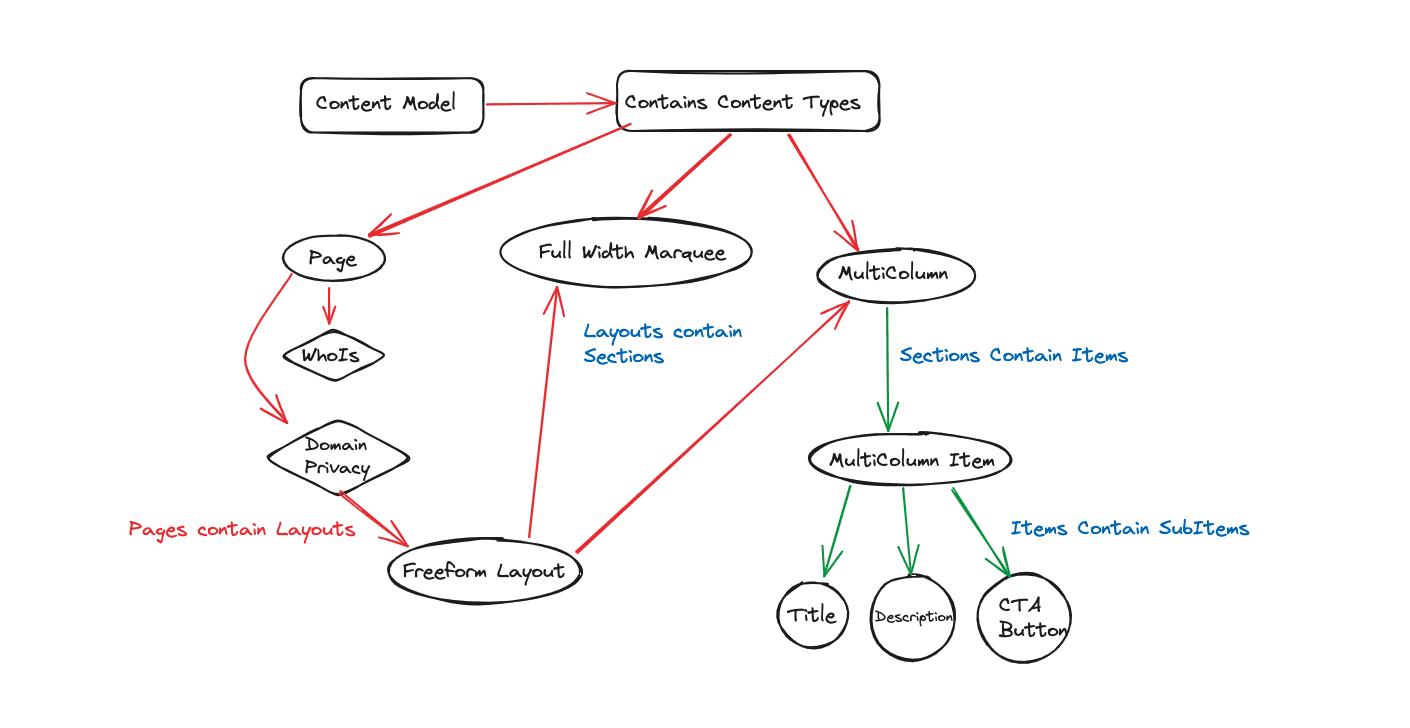
I independently researched and engineered a fully functional sandbox environment. I connected to Contentful’s API using Gasket and Next.js, created landing page components in React, and mapped those components to fields in Contentful. I also set up deployment using Netlify so content changes could be viewed live, instantly.


Content Diagram
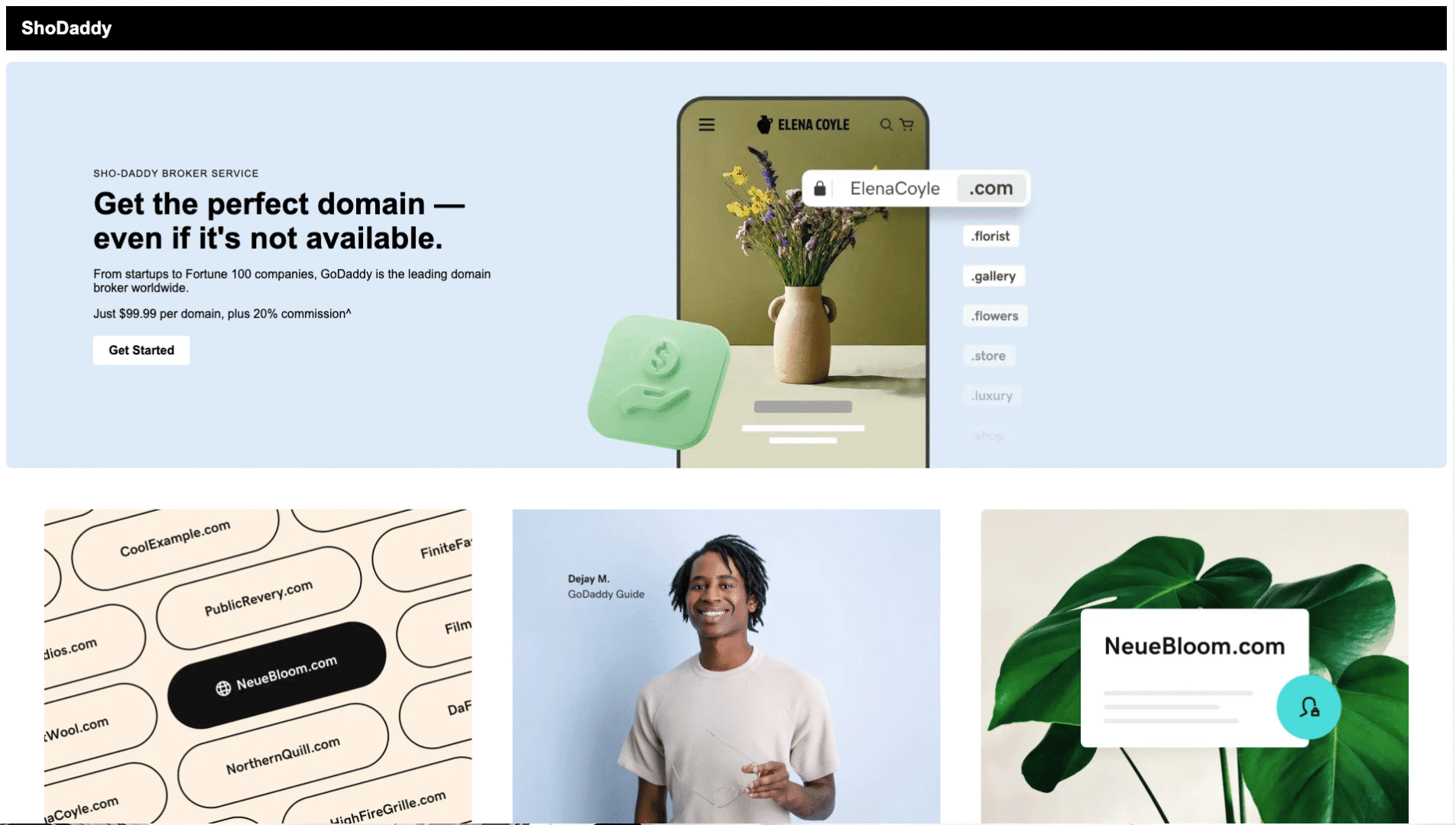
ShoDaddy Sandbox
TOOLS & TECHNOLOGIES

  • Frontend: HTML, CSS, JavaScript, React (GoDaddy’s Pattern Library), Next.js

  • Backend: Gasket (GoDaddy’s library maker)

  • CMS: Contentful

  • Hosting: Netlify

  • Integration: REST API for real-time data binding

BUILDING THE INTEGRATION

Using GoDaddy’s internal documentation, I built a lightweight Gasket app that served as the backbone for the Next.js frontend. I connected the app to Contentful using its REST API, then created React components that dynamically rendered content from Contentful entries. These components formed the layout of a basic landing page.


LIVE CONTENT UPDATES

The most important feature was the ability to see content changes live. Once the components were connected, MOps team members could update titles, images, and text in Contentful - and see those changes instantly reflected on the Netlify-hosted page, without waiting for engineering resources.

OUTCOME & IMPACT

This demo was designed to give our team early exposure to Contentful in a live environment, weeks before the official preview system was in place. It helped bridge the gap between CMS training and real-world testing. I demoed the project to my manager, and while the engineers eventually launched the official environment, this sandbox played a key early role in onboarding.


BEYOND SHO-DADDY

After Sho-Daddy, I went on to contribute to GoDaddy.com’s WHOIS page — one of the earliest production pages built on Contentful. I also helped test and implement GoDaddy’s first A/B test using the new platform. While my team members continued developing in Contentful, I was reassigned to other initiatives and systems.

WHAT I LEARNED


This project sharpened my ability to:

  • Reverse-engineer and integrate internal tooling
  • Work with headless CMS architecture
  • Connect content management systems to live React UIs
  • Deliver quick solutions with high impact in evolving technical environments


VIEW THE DEMO

Be sure to check the live demo on Netlify, or check out the GitHub repo. Future plans for this demo may involve finding a solution on how to create a demo login to Contentful with user restrictions so user can login and update content live. Possibly adding StoryBook for the components, and creating some Unit Testing with Jest and Cypress as experiments with additional GoDaddy front end technologies used by FBI team. Excited to see what I can do with my free time after graduation.

In conclusion

The project was interesting and challenging  to get up and running and hopefully it can serve as a showcase of my ability to work independently with new technologies related to the teams with little to no guidance by relying on my previous experience, documentation and the use of strong fundamentals. As always, I continue to develop and rapidly learn and expand my skill set.

Thanks for looking.